massage gun attachments guide
Explore the world of massage gun attachments, learning how each shape and material transforms therapy. From targeted relief to full‑body support, discover the science behind attachments, their ergonomic design, and how they enhance recovery and performance. Ideal for athletes, therapists, and anyone.!!

Understanding Massage Gun Attachments
Delve into the core components that define each attachment’s purpose, range, and compatibility. Learn how shape, size, and material influence pressure delivery, targeting specific muscle groups for optimal therapy and performance gains. Boost muscle health.
Purpose of Attachments
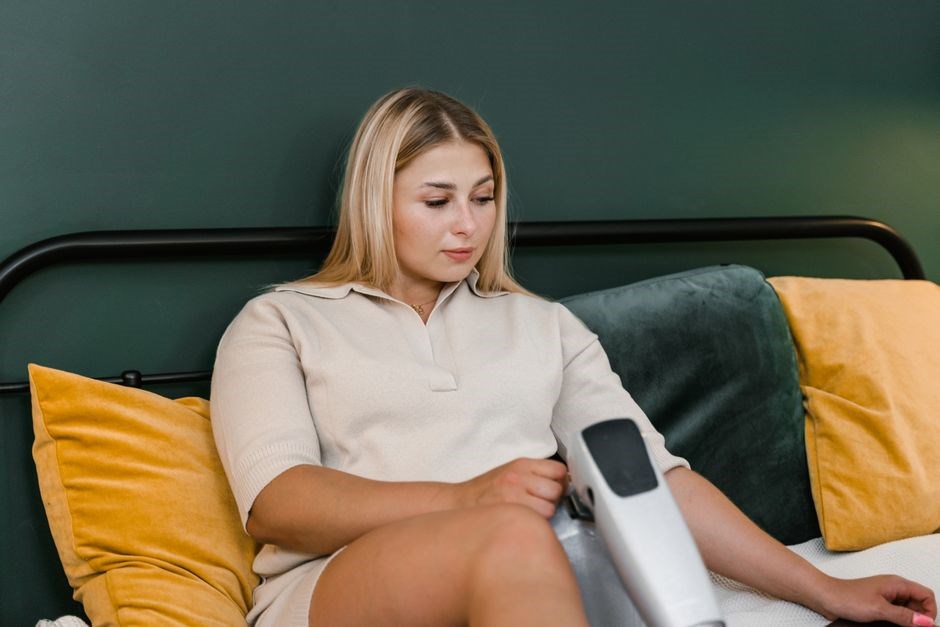
Attachments transform a generic massage gun into a versatile tool, each designed to meet specific therapeutic needs. The primary purpose is to modulate pressure, frequency, and contact area so that the device can target distinct muscle groups, joint structures, or soft tissues. By varying shape—such as a small ball for trigger points, a flat paddle for broad surface coverage, or a cone for deep tissue penetration—users can apply the right amount of force to the right spot. This precision reduces the risk of bruising while maximizing blood flow and myofascial release. Attachments also enable ergonomic positioning; a curved or angled tip can conform to the anatomy of the forearm, calf, or spine, allowing the user to maintain a neutral wrist and reduce strain. Moreover, the material composition—silicone, rubber, or metal—affects vibration amplitude and comfort. A softer silicone tip dampens high‑frequency shock, making it suitable for sensitive areas like the neck or shoulders, whereas a firmer metal head delivers a more intense stimulus for larger muscle masses such as quads or glutes. The ability to switch attachments quickly allows practitioners to progress through a treatment protocol, starting with a gentle opener, moving to a deeper massage, and finishing with a cool‑down. In athletic settings, this modularity supports injury prevention, rehabilitation and performance enhancement by tailoring the stimulus to the athlete’s current condition. Attachments empower users with tailored, efficient muscle therapy for peak performance recovery.!
Common Attachment Types
Massage gun attachments come in a variety of shapes and materials, each engineered to address specific muscle groups or therapeutic goals. The most ubiquitous is the spherical ball, which delivers a focused, high‑frequency pulse ideal for targeting trigger points and knots. A conical tip, often made of metal or hard silicone, offers deeper penetration and is favored for larger muscle masses like the quadriceps or glutes. A flat paddle provides broad coverage and is perfect for massaging flat surfaces such as the back or calves, ensuring even pressure distribution. For joint or tendon work, a forked attachment with two prongs allows the device to rest on the bone while the soft tissue receives vibration, minimizing discomfort. Silicone or rubber heads are softer and absorb vibration, making them suitable for delicate areas such as the neck, shoulders, or facial muscles. Some manufacturers also offer a “C‑shaped” or “U‑shaped” attachment that conforms to the curvature of the forearm or calf, enhancing stability and comfort during use. Advanced models include interchangeable heads with adjustable firmness, allowing users to fine‑tune the intensity for rehabilitation or sport‑specific training. By selecting the appropriate attachment, users can customize the massage gun’s effect—whether it’s a gentle warm‑up, a deep tissue release, or a post‑exercise cooldown—thereby maximizing recovery and performance. Manufacturers offer heads like a “C‑shaped” pad for the forearm, a “U‑shaped” cradle for the calf, or a “diamond” tip for trigger‑point work. These variations let users maintain consistent pressure while reducing wrist strain, making the device adaptable for users!!
Material Matters
Choosing the right material shapes performance. Silicone offers softness and vibration dampening, ideal for sensitive areas. Rubber provides grip, softness. Metal heads deliver deep pressure, plastic keeps weight low and cost down. Balance fit, feel, and function for best results.!
Silicone and rubber are the two most common soft‑material attachments for massage guns. Both provide a cushioning effect that reduces harsh vibration on delicate tissues, yet they differ in texture, durability, and tactile feel. Silicone is a synthetic elastomer that is highly flexible, heat‑resistant, and naturally hypoallergenic. Its smooth surface allows for a gentle glide over skin, making it ideal for facial or neck use where a soft touch is required. Rubber, on the other hand, is a natural or synthetic polymer that offers a slightly firmer grip. It tends to retain shape better under repeated impact, which can be advantageous for targeting deeper muscle groups. When comparing longevity, silicone typically resists wear and tear longer than rubber, especially in humid or sweaty environments, because it does not absorb moisture as readily. Rubber can develop a tacky residue over time, which may reduce its effectiveness. In terms of user comfort, silicone feels almost like a second skin, whereas rubber can feel a bit gritty, especially if it is a lower‑grade material. For athletes who need a recovery session, attachments are often preferred their smooth, silent operation. Those who want a more pronounced “bite” to reach knots, very may lean toward a rubber head that offers a firmer contact point. Ultimately, the choice depends on the body area, intensity, and personal sensitivity to textures. Both materials can be swapped easily, so experimenting with each can help determine the best attachment for recovery routine.
Metal vs. Plastic

Metal and plastic attachments are the two main hard‑surface heads for massage guns. Metal heads—often forged aluminum or stainless steel—offer durability and a crisp, resonant impact that penetrates deep muscle layers. Their high density provides a consistent vibration pattern, suitable for athletes seeking intense therapy. However, metal’s rigidity can transmit more shock to the skin, causing discomfort on sensitive areas. Plastic heads, made from ABS or polycarbonate, are lighter and flexible. Their lower density reduces vibration intensity, gentler on joints and connective tissue. Plastic attachments also produce less noise, offering a quieter experience. In maintenance, plastic is easier to clean and less prone to corrosion, whereas metal may need occasional polishing. The choice depends on goals: for deep tissue work and high‑frequency stimulation, metal is preferred; for lighter, frequent use or fragile skin, plastic is more forgiving. Many advanced guns let users switch between both types, enabling a customizable recovery approach. Metal attachments can feature textured surfaces or ridges to enhance friction and improve blood flow, while plastic heads can have ergonomic contours that fit around joints for precise targeting. Metal’s thermal conductivity allows heat to dissipate, aiding muscle relaxation during prolonged sessions. Plastic’s insulating properties keep the head cooler, reducing heat buildup on the skin. When selecting attachments, test both materials on a small skin area to gauge sensitivity and more.!!!!!!.

Ergonomics and Design Features
Design focuses on grip comfort, weight balance, and attachment placement. Features like contoured handles, non‑slip grips, and lightweight cores reduce strain. Quick‑release mechanisms allow effortless swapping, while layouts keep the unit tidy and user‑friendly.!
Size and Shape Considerations
When choosing an attachment, the dimensions and geometry directly influence how the device interacts with the body. A broad, flat head covers a larger surface area, making it ideal for massaging extensive muscle groups such as the quadriceps, hamstrings, or the lower back. The even distribution of pressure helps to loosen tight fibers without concentrating force on a single point. In contrast, a narrow, pointed head is engineered for precision work, targeting specific trigger points or knots. The concentrated impact can penetrate deeper into the tissue, providing relief to stubborn tension. The curvature of the attachment is equally important. A slightly concave design conforms to the natural contour of the calf or the inner thigh, ensuring consistent contact and reducing the likelihood of slipping during use. A convex shape, on the other hand, can be advantageous for rounder areas like the gluteal region, allowing the head to cradle the muscle and maintain steady pressure. Shape variations such as cylindrical, spherical, or diamond shapes serve distinct purposes. Cylindrical heads offer versatility, delivering a balanced feel for both large and small areas. Diamond shapes focus force at the tips, ideal for isolating specific points. Spherical heads provide a gentle, rounded touch, suitable for sensitive zones or for beginners. Attachment length affects maneuverability. Shorter heads are easier to handle in spaces such as the neck or while longer heads provide a broader reach for limb applications. Ergonomic considerations include weight; heavier heads deliver force but may cause fatigue during sessions; lighter attachments allow prolonged use without strain now. Soft, flexible heads feel more forgiving on delicate tissues, whereas rigid metal heads offer a firmer, more focused impact. By matching size, shape, and material to the target area, users can maximize comfort, effectiveness, and safety during massage gun therapy.
Weight Distribution
Weight distribution is a critical factor that determines how the vibration energy is transmitted to the target tissue. An evenly balanced head ensures that the force is spread across the contact area, preventing localized overload and reducing the risk of bruising or discomfort. When the mass is concentrated at one end, the device may feel lopsided, causing the user to compensate with hand strength, which can lead to fatigue or improper technique. Designers often incorporate counterweights or use materials with varying densities to achieve a neutral center of gravity. A head that sits too far forward may push the user’s wrist into a strained position, especially during extended sessions on the back or shoulders. Conversely, a rear‑heavy attachment can create a pulling sensation, making it difficult to maintain a steady rhythm. For athletes who require rapid, high‑intensity bursts, a lightweight, low‑center‑of‑mass head delivers swift response and minimal hand fatigue. In contrast, therapists who perform long, low‑frequency treatments often prefer a slightly heavier head that offers a steadier, more controlled impact. The shape of the attachment also plays a role; a rounded profile distributes weight more evenly, while a flat or angular design may concentrate mass along edges. Proper weight distribution not only enhances the effectiveness of the massage but also improves user ergonomics, allowing for smoother strokes, reduced wrist strain, and a more natural, intuitive feel during use. Feel the change today.

Attachment Use Cases

Attachment use cases illustrate how each head targets specific needs. A ball head loosens knots in calves, a fork reaches deep fascia, while a flat pad covers large areas like the back. Choose based on muscle size, depth, and desired intensity for optimal recovery., try now
Muscle Recovery
After intense training or daily activity, muscles accumulate metabolic waste, micro‑tears, and inflammation. A massage gun can accelerate the healing process by increasing blood flow, stimulating lymphatic drainage, and reducing tension. The choice of attachment tailors the stimulus to the muscle’s size, depth, and sensitivity. A wide, flat head delivers a broad, gentle massage across large muscle groups such as the quadriceps or glutes, promoting circulation without overstressing the tissue. A ball or round head concentrates pressure on specific trigger points, ideal for isolated knots in the hamstrings or calves. A fork or multi‑pronged head can reach deep fascia and connective tissue, offering a deeper, more penetrating effect that is especially useful for the upper back or shoulder blades. For delicate areas like the neck or lower back, a soft silicone pad or a small, rounded attachment reduces impact while still providing the therapeutic benefits. Adjusting speed and intensity is crucial; beginners should start at a low setting to allow the muscle to adapt, while experienced users can increase the tempo for a more intense release. Consistent, targeted use of the appropriate attachment not only speeds up recovery but also helps prevent injury by maintaining muscle balance and flexibility. By integrating these attachments into a regular routine, users can experience smoother muscle function, reduced soreness, and a heightened sense of well‑being, making post‑exercise care both effective and enjoyable. Remember to listen to your body and adjust.
Tightness Relief
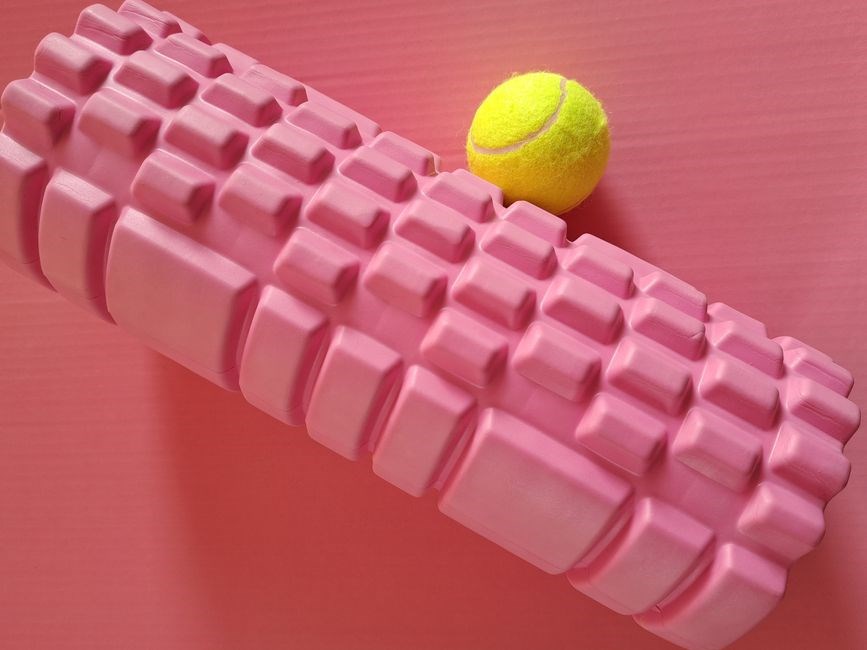
When muscles feel rigid, the underlying cause often lies in restricted blood flow, micro‑trauma, or prolonged static posture. A massage gun attachment can break down these constraints by delivering rhythmic percussive force that loosens fascia, stimulates proprioceptors, and encourages micro‑circulation. For tight hamstrings, a ball or round head applies focused pressure along the muscle belly, easing knots without excessive vibration. In the upper back, a forked or multi‑pronged head reaches deep between the shoulder blades, targeting the rhomboids and trapezius where tension accumulates. A soft silicone pad or a small, rounded attachment is ideal for the neck and lower back, where sensitivity is higher; it offers a gentle yet effective stimulus that reduces stiffness without causing discomfort. Speed settings should be gradually increased: start low to allow the tissue to warm, then progress to moderate intensity for a deeper release. Consistency is key—apply each attachment for 30–45 seconds per area, allowing the muscle to relax before moving on. Pairing the gun with light stretching or foam rolling amplifies the effect, as the muscle is more receptive to elongation after percussive therapy. By integrating the appropriate attachment into a routine, you can transform chronic tightness into fluidity, enhancing mobility, reducing pain, and improving overall performance. Always listen to your body’s feedback and adjust intensity accordingly. When using attachments, consider the muscle’s depth: thicker attachments for larger muscles, thinner for precise work. Avoid over‑pressing; let the gun’s vibration do the work. After use, apply a light massage or stretch to lock in the release. Hydration supports tissue elasticity, so drink water before and after sessions. If pain persists, consult a professional. Regular use can prevent chronic tightness, improve posture, and support athletic performance. Rest!

Selecting the Right Attachment
Choose attachments that match your device’s size, material, and vibration range. Prioritize durable silicone or rubber heads for longevity, and consider ergonomic shape for comfort. Balance cost with quality, and test feel before purchase to ensure a smooth, effective session. and durability. Keep it clean.!!
Match to Body Part
When selecting an attachment, consider the target area’s size, depth, and sensitivity. For large muscle groups such as the quads, hamstrings, or back, a wide, flat head delivers broad coverage and gentle pressure, ideal for loosening fascia and improving circulation. Small, rounded heads are perfect for the calves, forearms, or neck, offering precise contact that can penetrate deeper tissues without discomfort. For joints or tendons, a ball-shaped or tapered tip provides focused stimulation, helping to reduce inflammation and enhance mobility. If you’re working on the shoulders or upper back, a curved attachment follows the natural contour, ensuring even contact across the scapular region. When treating the feet or ankles, a small, pointed head can reach the arch and heel, easing tightness and promoting blood flow. Always match the attachment’s diameter to the body part’s width: a head that’s too large can feel harsh, while one that’s too small may lack coverage. Additionally, consider the attachment’s material; silicone offers a softer feel for delicate areas, whereas rubber provides a firmer grip for thicker muscles. By aligning the attachment’s shape, size, and texture with the specific body part, you maximize therapeutic benefit, reduce the risk of injury, and achieve a more efficient, comfortable massage experience. Selecting the right attachment is a blend of science and intuition; test each head on a small area, note the vibration feel, and consider how it complements your routine. A well‑matched attachment not only enhances performance but also safeguards against strain, ensuring lasting benefits. You’ll find the perfect fit for every muscle and moment today everywhere!
Personal Preference
Personal preference is shaped by a variety of factors that influence how a user feels during a massage session. Comfort is paramount; a softer silicone tip can feel gentle and soothing, while a firmer rubber head offers a more aggressive sensation. The tactile feel of the attachment can affect perceived intensity, and users often choose based on what feels natural to them. Noise level is another consideration; silicone attachments tend to be quieter, making them suitable for home use or late‑night sessions, while rubber heads can produce a deeper thump that some users enjoy. Color and texture also play a role; a matte finish may feel more premium and provide a better grip than a shiny surface. Weight matters too; a lighter head can reduce fatigue during long sessions, whereas a heavier head can provide a more grounded feel. The ability to switch attachments quickly allows users to tailor the experience to each area, ensuring versatility and effectiveness. Ultimately, best attachment is the one that feels natural, aligns with your training goals, enhances your overall massage experience. Trust your senses, experiment, and choose the attachment that resonates with your unique preferences and goals.