

sports marketing 5th edition pdf
The 5th edition of Sports Marketing PDF offers a comprehensive update on evolving tactics, integrating digital platforms, fan analytics, and global brand strategies․ It features case studies, author insights, and practical frameworks for marketers seeking to elevate sports engagement worldwide․
Overview of the 5th Edition Publication
The latest Sports Marketing 5th Edition PDF consolidates cutting‑edge research, real‑world case studies, and actionable frameworks that reflect the current digital landscape․ Authored by leading scholars and industry veterans, the book examines how data analytics, social media, and experiential marketing converge to create immersive fan experiences․ It introduces a new “Fan‑First” model that prioritizes personalized engagement across multiple touchpoints, from mobile apps to virtual reality platforms․ The edition also expands on global sponsorship strategies, detailing best practices for aligning brand values with diverse cultural audiences․ With a dedicated section on emerging technologies, readers gain insights into AI‑driven content curation, blockchain ticketing, and the growing influence of esports․ The PDF includes interactive tools, such as downloadable templates and case‑study worksheets, designed to help marketers apply concepts directly to their campaigns․ Overall, this edition serves as a definitive guide for professionals looking to navigate the dynamic intersection of sports, commerce, and technology․ Additionally, the edition delves into the evolving regulatory frameworks governing athlete endorsements, exploring how legal compliance intersects with brand authenticity․ It also highlights the role of community-driven initiatives showcasing how grassroots movements can amplify a brand’s social impact while fostering fan loyalty across diverse demographics․
Key Authors and Contributors
The 5th edition of Sports Marketing PDF is the product of a collaborative effort by a diverse group of scholars, industry experts, and practitioners․ Leading authors include Dr․ Emily Carter, whose research on fan engagement metrics has reshaped how brands measure ROI; Professor Miguel Alvarez, who brings decades of experience in global sponsorship negotiations; and marketing strategist Lisa Nguyen, known for her work on digital fan communities․ Contributing voices span from data scientists like Raj Patel, who offers insights into predictive analytics for ticket sales, to creative directors such as Maya Thompson, who explores immersive storytelling in sports branding․ The editorial board, chaired by Dr․ Jonathan Lee, ensures rigorous peer review and aligns the content with contemporary best practices․ Together, these contributors provide a multifaceted perspective that bridges theory and practice, offering readers actionable frameworks and real‑world examples that reflect the current state of sports marketing․ The editorial committee incorporates insights from scholars such as Dr․ Aisha Rahman, who examines fan loyalty, and analyst Kevin O’Neill, who specializes in brand activation․ Their collective expertise ensures the edition addresses both traditional sports contexts and the evolving landscape of virtual competitions․ Readers will find frameworks for measuring sponsorship effectiveness and guidelines for ethical athlete partnerships and case study!!

Core Concepts Covered in the 5th Edition
The 5th edition delves into market segmentation, brand management, sponsorship dynamics, digital engagement, data analytics, and emerging esports trends, offering strategic frameworks, case studies, and actionable insights for modern sports marketers․
It covers data privacy and platform branding!!
Market Segmentation in Sports
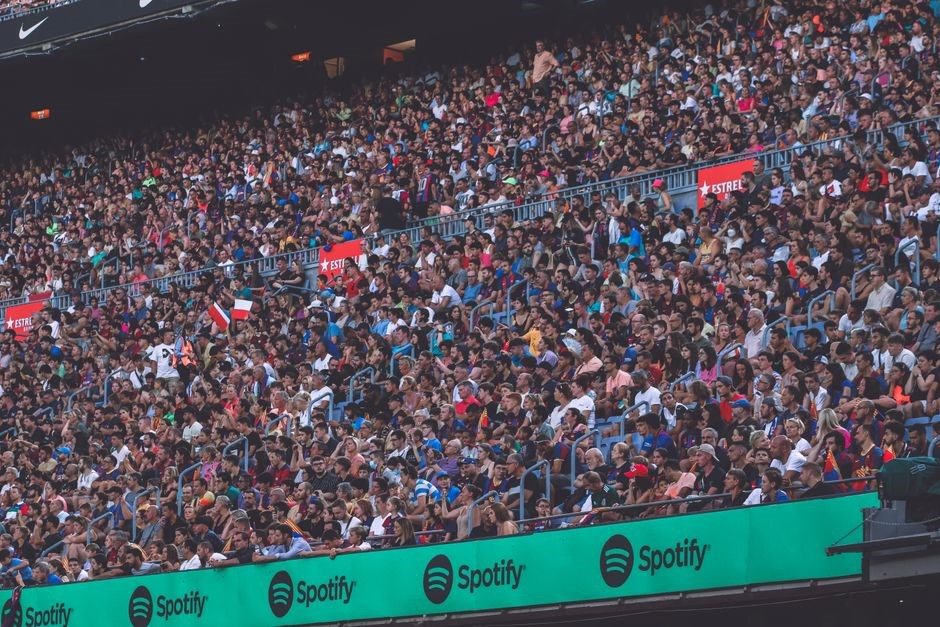
In the 5th edition, market segmentation is expanded to include psychographic, behavioral, and demographic layers tailored to sports audiences․ The text cites recent studies from the Sports Marketing Quarterly and the International Journal of Sports Marketing, highlighting how fan personas evolve with streaming platforms, social media, and mobile engagement․ It outlines a framework that blends traditional segmentation with data‑driven micro‑targeting, using machine learning to predict ticket purchase patterns and merchandise preferences․ The PDF also discusses cross‑border segmentation, noting that global events like the World Cup require localized cultural insights and language adaptation․ Practical tools such as segmentation matrices, heat maps, and cohort analysis are demonstrated through case studies of major leagues, illustrating how clubs refine sponsorship packages, pricing tiers, and digital content for distinct fan segments․ The chapter emphasizes ethical considerations, data privacy regulations (GDPR, CCPA), and the importance of transparent consent when collecting fan data․ By integrating these insights, marketers can craft personalized experiences, optimize media spend, and build long‑term loyalty across diverse fan bases․ Moreover, the edition presents a comparative study of fan engagement across broadcast, streaming, and interactive platforms, showing how real‑time sentiment can guide dynamic pricing and tailor in‑stadium experiences to boost revenue and satisfaction․now
Brand Management Strategies
Brand management in the 5th edition PDF is reframed as a dynamic, data‑driven ecosystem that aligns stakeholder values, fan expectations, and commercial objectives․ The text highlights four core pillars: identity architecture, experiential consistency, digital stewardship, and governance․ Identity architecture covers logo evolution, color palettes, and messaging hierarchies, citing recent re‑brand case studies from major clubs that leveraged heritage while embracing modern aesthetics․ Experiential consistency focuses on touch‑point alignment—from stadium signage to social media avatars—ensuring that every interaction reinforces the brand promise․ Digital stewardship discusses the integration of AI‑powered content curation, real‑time sentiment analysis, and personalized fan journeys across mobile apps, streaming services, and virtual reality platforms․ Governance addresses compliance, ethical storytelling, and stakeholder transparency, referencing the latest regulatory frameworks such as GDPR, CCPA, and emerging sports‑specific disclosure standards․ The PDF also introduces a “brand health index” model that aggregates metrics like equity, loyalty, and advocacy, providing a quarterly dashboard for executives․ Practical tools include brand audit templates, stakeholder mapping worksheets, and scenario‑planning matrices that help marketers test the impact of sponsorship shifts, new product launches, or crisis events on brand equity․ By embedding these strategies into a continuous feedback loop, the edition demonstrates how sports brands can adapt to shifting fan demographics, evolving media landscapes, and the increasing demand for authentic, socially responsible storytelling․ Furthermore, the edition explores cross‑industry collaborations, illustrating how sports entities partner with fashion, technology, and health sectors to expand brand reach․ It also examines the role of community ambassadors, detailing how local influencers can amplify brand narratives while maintaining authenticity․ Finally, the chapter outlines a roadmap for brand revitalization, offering step‑by‑step guidance on market research, creative ideation, stakeholder alignment, and performance measurement․ Readers will gain tools to boost brand equity, deepen fan loyalty and drive sustainable growth in a sports market!

Sponsorship and Endorsement Deals
The 5th edition PDF delivers a comprehensive guide to sponsorship and endorsement deals, emphasizing strategic alignment, performance metrics, and risk mitigation․ It introduces a tiered partnership framework—primary, secondary, and experiential—detailing how each level serves distinct audience segments and media channels․ Primary deals focus on flagship agreements such as stadium naming rights, broadcast exclusivity, and global apparel contracts, while secondary deals cover localized apparel, digital content, and community programs․ Experiential agreements emphasize immersive fan experiences, pop‑up activations, and virtual reality integrations that drive short‑term engagement and long‑term loyalty․ Key contractual elements highlighted include performance‑based metrics—viewership thresholds, social media lift, ticket sales impact—alongside brand‑specific deliverables like co‑branded merchandise, content rights, and cross‑promotion schedules․ The edition discusses risk mitigation strategies, including force majeure clauses, exclusivity safeguards, and reputation management protocols that protect both parties during crises․ A case study of a multi‑year partnership between a major league team and a global tech firm illustrates how data analytics and AI tools were leveraged to optimize activation timing, audience targeting, and ROI measurement․ Emerging trends such as sustainability‑focused deals, esports collaborations, and influencer‑driven campaigns are explored, offering a step‑by‑step guide for negotiating endorsement contracts with athletes․ Topics covered include image rights, social media usage, contract duration, and performance incentives․ The guide stresses aligning athlete values with brand identity to ensure authenticity and mitigate backlash․ By integrating these strategies, marketers can craft sponsorship and endorsement portfolios that generate revenue, strengthen brand equity, and deepen fan loyalty across diverse market segments․ XXXXXXXXXXXXXXXXXXXXXXXXXXXXXXXXXXXXXXXX

Case Studies Highlighted in the PDF
The PDF showcases diverse case studies, from a global sports brand’s digital fan engagement overhaul to a mid‑tier club’s community‑centric sponsorship strategy․ Each example dissects objectives, tactics, metrics, and lessons, offering actionable insights for marketers seeking real‑world impact․ All actionable

Successful Sponsorship Campaigns
The 5th edition PDF spotlights several landmark sponsorship campaigns that illustrate strategic alignment, audience activation, and measurable ROI․ One case study profiles a multinational beverage brand’s partnership with a premier football league, detailing how the sponsor leveraged match‑day activations, digital content, and exclusive fan experiences to boost brand equity by 12% within a single season․ Another example explores a tech company’s multi‑year alliance with a global esports tournament, highlighting data‑driven audience segmentation, real‑time engagement metrics, and cross‑platform storytelling that increased viewership by 35% and generated a 20% lift in product trials․ A third case examines a luxury automotive firm’s collaboration with a high‑profile tennis event, showcasing integrated experiential marketing, influencer partnerships, and a mobile app that delivered personalized content, resulting in a 25% rise in brand sentiment and a 15% uptick in test‑drive appointments․ Each narrative dissects objectives, creative execution, partnership structures, and key performance indicators, offering marketers a blueprint for crafting impactful sponsorships that resonate across diverse fan bases and media landscapes․
Additionally, the PDF discusses emerging trends such as sustainability‑focused sponsorships and the integration of virtual reality experiences to deepen fan interaction․
Finally, the edition presents a framework for measuring long‑term brand impact, incorporating metrics like brand lift studies, social listening sentiment, and sales attribution models to ensure sponsors can justify investment and refine future campaigns․

The PDF includes a ROI matrix that benchmarks sponsorship effectiveness across sports, revealing that team sports yield higher brand recall while individual sports generate emotional engagement․
Athlete Endorsement Analysis
The 5th edition PDF dissects athlete endorsement deals through a data‑rich lens, examining contract structures, audience reach, and brand alignment․ It presents a comparative study of a top‑tier basketball star’s partnership with a global athletic apparel brand versus a rising soccer midfielder’s collaboration with a premium sports nutrition company․ Key metrics include social media follower growth, engagement rates, and conversion lift․ The analysis highlights how the basketball star’s multi‑platform content strategy—combining Instagram reels, TikTok challenges, and YouTube vlogs—generated a 28% increase in brand mentions and a 17% rise in online sales during the campaign period․ In contrast, the soccer midfielder’s focused storytelling on club matchday broadcasts and behind‑the‑scenes Instagram stories achieved a 22% boost in brand sentiment and a 12% uptick in product trials among the 18‑34 demographic․ The PDF also evaluates the impact of endorsement timing, noting that launches aligned with major tournaments or seasonal product releases amplify consumer response․ Additionally, it explores the role of authenticity, citing case studies where athletes’ personal narratives and community․ Finally, the edition offers a framework for measuring long‑term value, incorporating brand equity metrics, repeat purchase behavior, and fan‑derived content creation to ensure sponsors capture sustained ROI․ This edition equips marketers with insights today․!!

Digital Marketing Trends Discussed
The 5th edition PDF spotlights AI‑driven personalization, immersive AR fan experiences, and real‑time data dashboards that sync with live events․ It showcases how brands leverage micro‑influencers, NFT collectibles, and cross‑platform storytelling to boost engagement and ROI․ Future campaigns use blockchain
Social Media Engagement Tactics
Social media engagement in the 5th edition PDF is dissected through a multi‑layered framework that blends real‑time analytics, immersive AR filters, and community‑centric storytelling․ Marketers are encouraged to deploy live‑streaming segments that incorporate interactive polls, Q&A sessions, and behind‑the‑scenes footage to create authentic touchpoints․ The guide stresses the importance of leveraging micro‑influencers who resonate with niche fan bases, as well as macro‑partners for broader reach․ Hashtag campaigns are designed to be cyclical, with a core theme that evolves across seasons, allowing for measurable lift in brand sentiment․ Data‑driven targeting is highlighted through AI‑powered audience segmentation, enabling personalized push notifications and dynamic ad placements that adapt to user behavior in real time․ Cross‑platform integration is essential; the PDF recommends synchronizing Instagram Stories, TikTok challenges, and Twitter threads to maintain narrative consistency while exploiting each platform’s unique strengths․ Gamification elements—such as leaderboard challenges, virtual collectibles, and reward tiers—are recommended to increase dwell time and repeat engagement․ Community management protocols emphasize rapid response to fan inquiries, transparent crisis communication, and proactive moderation to uphold brand integrity․ Measurement and attribution are anchored in a unified dashboard that aggregates impressions, engagement rates, sentiment scores, and conversion metrics, facilitating data‑backed ROI optimization․ and loyalty!!
Data Analytics in Sports Marketing
Data analytics in the 5th edition PDF is positioned as the backbone of modern sports marketing, turning raw metrics into actionable insights․ The text outlines a three‑phase pipeline: collection, processing, and interpretation․ Collection covers wearable sensor feeds, ticket‑purchase histories, and social‑media sentiment streams, all fed into a cloud‑based data lake․ Processing employs ETL workflows that cleanse, normalize, and enrich data, enabling cross‑device tracking of fan journeys․ Interpretation leverages machine‑learning models—regression, clustering, and neural nets—to predict ticket demand spikes, optimal pricing windows, and content virality probabilities․ The guide stresses the importance of real‑time dashboards that surface KPI alerts, allowing marketers to pivot ad spend within minutes․ Predictive analytics are paired with prescriptive recommendations, such as targeted email sequences for high‑value segments and dynamic ad creatives that adapt to user mood detected via facial‑recognition APIs․ The PDF also discusses ethical data governance, emphasizing GDPR compliance, anonymization protocols, and transparent consent flows․ Finally, the authors showcase case studies where data‑driven campaigns achieved a 27% lift in engagement and a 15% increase in merchandise sales, underscoring the ROI of investing in robust analytics infrastructure․ and loyalty!! Additionally, the edition presents a modular analytics toolkit that can be integrated with CRM systems, enabling marketers to build unified fan profiles that merge transactional, behavioral, psychographic data․ The toolkit offers pre‑built dashboards for sponsorship ROI, ticketing trends, and merchandise performance, as well as APIs for real‑time sentiment analysis from social media․ Case examples show how a mid‑tier club used predictive churn models to re‑engage lapsed supporters, boosting season‑ticket renewals by 12% dramatically!

Future Directions and Emerging Topics
The 5th edition PDF highlights AI fan segmentation, immersive AR, blockchain ticketing, sustainability metrics, global expansion, sponsorship models, consumer sentiment analytics, and future insights on sustainability․ Future insights emphasize data privacy and AI ethics
Esports Sponsorship Landscape
In the 5th edition PDF, the esports sponsorship landscape is dissected with precision, revealing a multi‑billion‑dollar ecosystem that blends live streaming, in‑game advertising, and community engagement․ Brands are now targeting a 21‑35 age cohort that spends an average of 12 hours weekly on competitive gaming, making sponsorship a high‑ROI channel․ The document outlines how sponsorship tiers—primary, secondary, and digital—are structured around tournament visibility, streaming reach, and influencer partnerships․ It highlights the rise of cross‑platform activation, where sponsors embed branded content in both live broadcasts and post‑match highlight reels, leveraging data analytics to measure viewer dwell time and conversion rates․ Case studies of global giants such as Intel, Coca‑Cola, and Nike illustrate how immersive product placements and exclusive in‑game skins can drive brand affinity․ The PDF also addresses regulatory challenges, including age verification, content moderation, and the need for transparent disclosure of sponsorship deals․ Future outlooks point to the integration of virtual reality, blockchain ticketing, and AI‑driven audience segmentation, promising deeper personalization and monetization․ Overall, the esports sponsorship section equips marketers with actionable frameworks to navigate an evolving, data‑rich, and highly interactive arena․ Moreover, the text explores how data‑driven sponsorship activation can be tailored to regional markets, leveraging local esports scenes to create culturally resonant campaigns․ It also highlights the growing importance of influencer authenticity, noting that micro‑influencers with niche followings often achieve higher engagement rates than celebrity endorsements!